
Rigging and Sling Inspection: What OSHA Actually Requires


If you run rigging on your site, you already know inspection is required before every use. What I want to talk through here is what that actually means in practice, because the gap between what the standard says and what crews do is where people get hurt. I have spent a lot of years watching slings get used hard, and the failures almost never come out of nowhere. The sling told somebody it was done. Somebody just wasn’t looking.
So let me lay out the requirement the way I’d explain it to another safety pro, then get into the part that matters: what makes you pull a sling and never let it back in service. By the way, if you want rigging safety training, we have a complete kit that you should check out.
Quick Answer: What Are OSHA’s Rigging and Sling Inspection Requirements?
OSHA requires that slings and all of their fastenings and attachments be inspected by a competent person before each use, and that additional inspections happen during the job when service conditions call for it. On top of that, alloy steel chain slings need a thorough, documented periodic inspection at least once a year. Any sling with a defect that meets the removal criteria comes out of service immediately, and a rejected sling should be destroyed so it cannot quietly find its way back onto the floor. That last part is not technically a citation in most cases, but it is the practice that separates a real program from a paperwork program.
The governing standards are 1910.184 for general industry and 1926.251 for construction, and both of them lean on the same consensus work in ASME B30.9. If you know one, the other will feel familiar.
Who counts as a “competent person” here
This trips people up constantly, so it is worth being precise. A competent person is someone capable of identifying existing and predictable hazards and who has the authority to take corrective action. For sling inspection, that means they can actually recognize a reject condition on the sling type in front of them and they are allowed to take it out of service on the spot.
Here is my honest observation after years of this: a lot of sites have a “competent person” on paper who has never been shown what ten broken wires in a rope lay looks like on a real sling. Designation is not training. If the person signing off cannot tell you the difference between acceptable wear and a reject on a wire rope sling, you do not have a competent person, you have a signature.
As an aside, make sure your ground crew knows their hand signals when moving a rigged load.
How often do slings have to be inspected?
Two layers, and you need both.
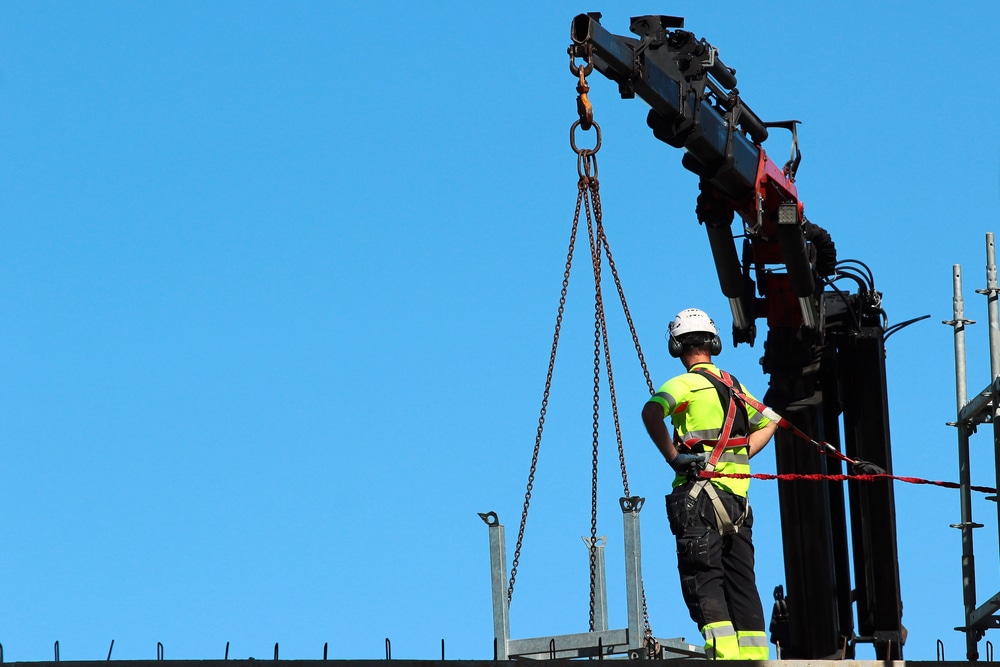
The first layer is the before-use inspection. Every shift, every time, before the sling goes to work, your competent person looks it over. This is the quick hands-on check at the point of use. It is not a big production. It takes two minutes, and the fact that it only takes two minutes is exactly why people talk themselves out of it. “It was fine yesterday” is the most expensive sentence in rigging.
The second layer is the periodic inspection. For alloy steel chain slings, OSHA requires a thorough periodic inspection at least once every 12 months, and you have to keep records of it, including the most recent date. Frequency goes up with severity of service. I have run shops where chain in heavy daily service got looked at far more often than annually, and I would push you toward the same thinking. Annual is the floor, not the target.
The part that actually matters: removal criteria by sling type
This is where I want safety pros to slow down, because the reject conditions are different depending on what you are holding, and the field guys mix them up all the time. Here’s the quick version and then I’ll break down each one:
| Sling type | Remove from service if you find any of these |
|---|---|
| Wire rope | Ten randomly distributed broken wires in one rope lay, or five in one strand in one lay; wear of one third the original outside-wire diameter; kinking, crushing, or birdcaging; heat damage; corrosion or cracked or deformed end attachments. |
| Alloy steel chain | Cracked, bent, or gouged links; stretch beyond the manufacturer’s allowable; nicks or gouges at welds; worn or deformed hooks and master links; heat damage. |
| Synthetic web | Missing or illegible tag; acid or caustic burns; melting or charring; snags, punctures, tears, or cuts; broken or worn stitching in load-bearing splices; distorted fittings. |
| Metal mesh & fiber rope | Mesh: broken weld or brazed joint, reduced mesh thickness. Fiber rope: abnormal wear, powdered fiber between strands, cut or broken fibers, variation in size or roundness. |
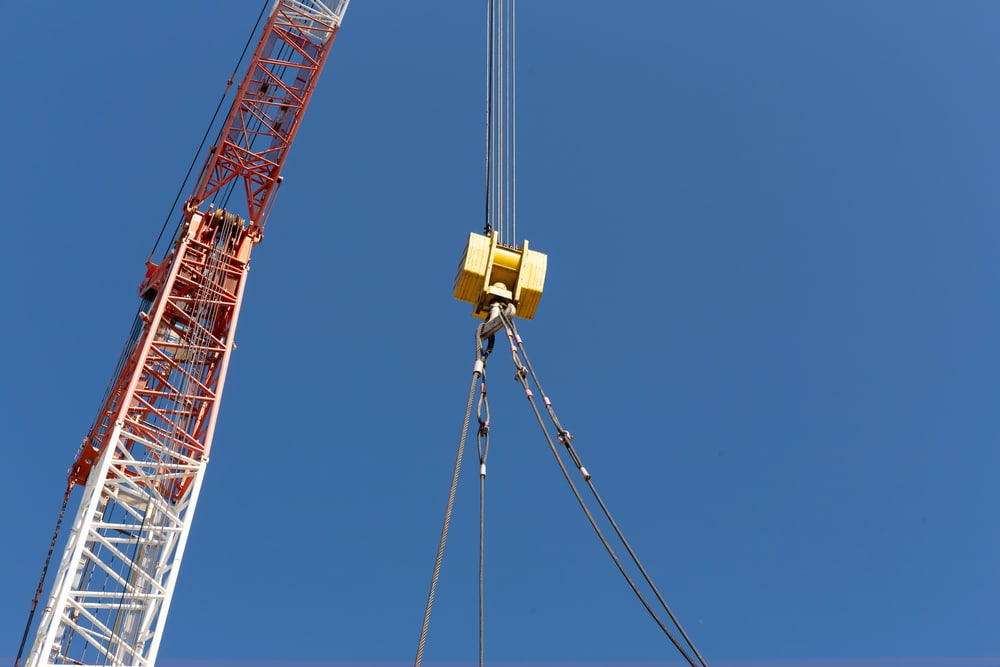
Wire rope slings. Pull it from service for ten randomly distributed broken wires in one rope lay, or five broken wires in a single strand in one lay. Pull it if wear or scraping has taken away a third of the original diameter of the outside individual wires. Kinking, crushing, birdcaging, or any damage that distorts the rope structure is a reject. So is evidence of heat damage, and so is corrosion or cracking and deformation at the end attachments. My personal habit, and I’d encourage you to build it into your crews, is to inspect hardest right at the fittings and the thimble. That is where the abuse concentrates and where I find most of the real problems, not out in the middle of the body where everybody looks first.
Alloy steel chain slings. Reject for cracked, bent, gouged, or stretched links. Stretch is the sneaky one. A chain that has been overloaded elongates, and if you are not measuring against the manufacturer’s allowable you will not catch it by eye until it is bad. Nicks and gouges matter too, especially at the weld and the inside radius of the links. And check the hooks and master links, because the attachments fail just as readily as the chain.
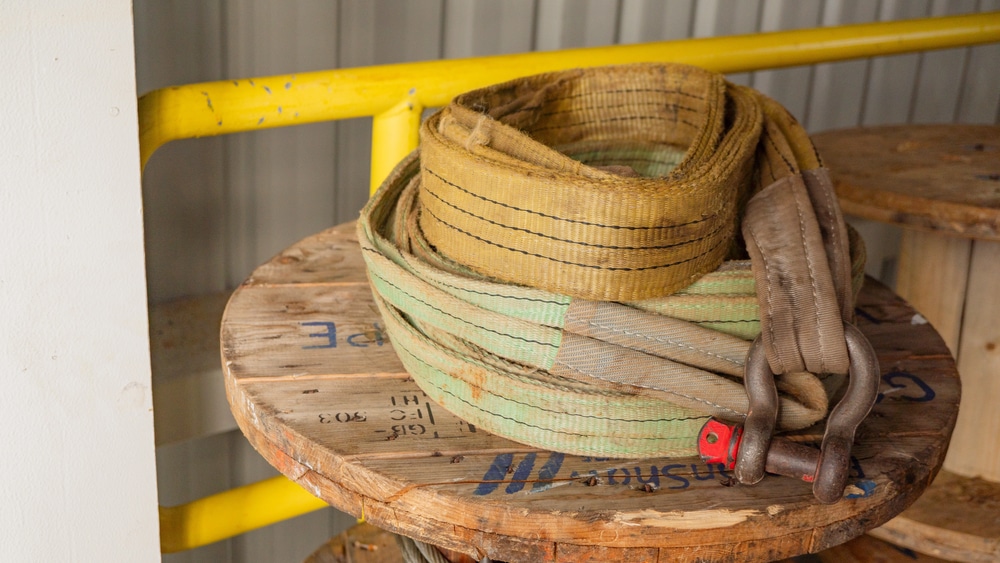
Synthetic web slings. This is the sling type I find abused the most, probably because it is soft and cheap and people treat it as disposable until the moment it is holding their load. Reject for acid or caustic burns, for melting, charring, or any heat damage, for snags, punctures, tears, or cuts, for broken or worn stitching in the load-bearing splices, and for distorted or damaged fittings. And here is the one I will die on: if the tag is gone or unreadable, the sling is out of service. No identification, no rated capacity, no sling. I cannot count the number of synthetic slings I have found in a gang box with the tag worn smooth, still in the rotation, because nobody wanted to be the one to throw away a sling that “looked okay.”
Metal mesh and fiber rope slings. These have their own criteria in the standard, and if you use them, learn them specifically. Mesh has broken weld or broken brazed joint and reduction in mesh thickness conditions. Natural and synthetic fiber rope slings reject for abnormal wear, powdered fiber between strands, cut or broken fibers, and variations in rope size or roundness. Do not eyeball a fiber rope sling against wire rope criteria. They are not the same animal.
What a sling inspection should actually document
The before-use check is largely a hands-on, taken-on-faith part of the workflow, and that is fine, that is how the standard is built. The periodic inspection is where your paper lives. For chain slings specifically, keep the record with the most recent inspection date and make it retrievable. Beyond what is strictly required, the programs I trust track each sling by an ID, log the periodic findings, and note removals. When a sling comes out of service, I want to know it was cut up and tossed, not “set aside,” because “set aside” slings come back.
Tagging and rated capacity, because untagged is unusable
Every sling needs to carry its identification: manufacturer, rated capacity for the hitch type, and material. This is not bureaucratic box-checking. The rated capacity changes with the hitch and the angle, and a rigger cannot make a safe decision about a sling they cannot identify. When that tag goes, the sling’s usefulness goes with it, full stop. I treat a missing tag as a reject condition every single time, and I have never regretted it.
The habits that prevent most of this
Most sling failures I have investigated trace back to three things, and none of them are exotic. Storage, with slings dragged through mud, left in standing water, or draped over rebar in the sun. Using the wrong sling for the task, usually a chain or web sling pressed into a job it was never rated for because it was the one within reach. And the slow erosion of the before-use check until it becomes a glance instead of an inspection. Fix those three and you have prevented the overwhelming majority of what is going to bite you. The last thing your team needs is a rigging accident that could have been avoided by simple inspection and maintenance.
Frequently asked questions about rigging and sling inspection:
Before every use. A competent person inspects the sling and its attachments before each shift, and again during the job if service conditions change. On top of that, alloy steel chain slings require a thorough, documented periodic inspection at least once every 12 months, and you keep the records.
A competent person, meaning someone who can actually recognize the reject conditions on the sling type in front of them and who has the authority to pull it out of service on the spot. Designation is not training. If the person signing off cannot identify a reject on a wire rope sling, you do not have a competent person.
Yes. Every sling has to carry its identification, including rated capacity and material. Without a legible tag a rigger cannot make a safe decision about the sling, so a missing or illegible tag is a removal condition every time.
Pull it for ten randomly distributed broken wires in one rope lay, or five broken wires in a single strand in one lay. Also remove it for wear of one third the original diameter of the outside wires, for kinking, crushing, or birdcaging, for heat damage, and for corrosion or cracking at the end attachments.
Remove it from service immediately and destroy it so it cannot quietly find its way back into the rotation. A rejected sling that is only set aside has a way of coming back. Cutting it up is the practice that separates a real program from a paperwork program.
