
Construction Safety Orientation – [Full Video Training Kit]
$239

If you have Construction Workers on your crew that you know the value of safety training. On a construction site, hazards are everywhere, and maintaining OSHA compliance is a constant battle. That’s where this Construction Worker Safety Orientation Training comes in. It covers the safety aspects of a construction environment and is a great training tool for all your new employees.
This Construction Safety Orientation Training Covers:
- What is the concept of “Safety First” and why is it important in a construction environment?
- The importance of being a drug and alcohol-free facility
- Why should construction workers inspect their work area daily before they begin their tasks?
- The importance of “safety housekeeping” and clean work areas affects the safety on the job
- The need for all construction staff to wear the proper footwear (“safety” shoes, steel-toed boots (if appropriate), and more)
- What role do gloves play in reducing injuries or protecting our hands?
- What are the different types of eye protection that are available, how do they work, and how do they help prevent construction work injuries? (Safety glasses, face shields, safety goggles, etc.)
More Topics Covered in This Construction Safety Orientation Training Video:
- Why is hearing protection important, when is it required, what are the different hearing protection devices available, and how do they work?
- When are respirators required, what type of respirators are viable, how to inspect a respirator, and how do each of them work? (Supplied air respirators, chemical cartridge respirators, filter masks, etc.)
- What is OSHA’s “Assigned Protection Factors” or APF, and how does it help workers select the best type of respirator for the job they are performing?
- Why is a hard hat important, what do they protect from, and how to make sure they fit properly?
- What are “tool rules,” and why should all construction workers follow them?
- How to inspect power tools before use to make sure they are in good operating shape? (sharp blades, no electrical cord issues, etc.)
- What are some basic ergonomic techniques that every construction worker should be aware of and implement into their workflow?
More Topics In This Construction Safety Orientation Video:
- How to handle a co-worker who gets injured, basic first aid principles, and understanding the Company’s Emergency Action Plan
- What are some hazards that a construction worker can look for in their work area?
- How can a construction crew evaluate their worksite for fire hazards, trip and fall hazards, and other things that might cause injury to themselves or to the crew?
- What Personal Protective Equipment or PPE should all construction workers know how to use? (Safety glasses, gloves, hearing protection, proper clothing and more)
- What are some back safety best practices for construction workers and how can they prevent back injuries while doing their normal tasks?
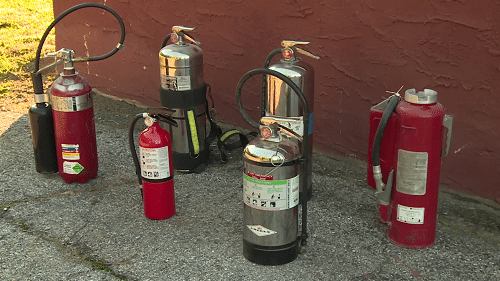
- The importance of basic first aid, knowing how to use a fire extinguisher, and understanding the company’s emergency action or evacuation plan
- and much more…
Your construction workers need safety training, and this video will get them started on the right path with your company. This Construction Worker Safety Orientation Training is available on a DVD or USB Stick and in either English or Spanish language options. This training program is 16 minutes long. We do offer this course in an online format, either as a single course or as part of a larger online safety training library.
This Complete Orientation Training Program for Construction Workers Includes These Items:
- Full-length Construction Safety Orientation Training Video
- Employee quiz and answer sheet
- A “Presenter’s Guide” if you are going to do this training in person
- A printable training sign-in sheet to keep track of your training program
- A printable Certificate of Completion. You can print as many copies of the Certificate as you need
Construction Safety Orientation Video – Full Length Preview:
Construction Safety Orientation Requirements
Who Needs a Construction Safety Orientation
- Every new hire before their first shift on a jobsite, whether they are new to construction or a twenty-year veteran who is new to your company
- Workers moving to a new site, a new general contractor, or a new phase of work with different hazards
- Subcontractor crews and temporary or seasonal labor working under your site rules
- Anyone returning after a long absence, or after a near miss or injury shows the basics were missed
Crews that split time between the jobsite and a shop, yard or office can pair this program with our general-industry safety orientation video for new employees, which covers the hazards every workplace shares.
What OSHA Requires
OSHA has no standard titled “orientation,” but the construction rules require it in substance. 29 CFR 1926.21(b)(2) says the employer shall instruct each employee in the recognition and avoidance of unsafe conditions and in the regulations that apply to their work, and 1926.20(b) requires an accident prevention program with regular inspections by a competent person and equipment operated only by trained, qualified workers. Individual standards add their own training at initial assignment, including hazard communication, personal protective equipment, and the emergency action plan. A documented site orientation is how contractors put all of that in front of a worker before exposure, and this program supports that requirement. It is not an OSHA 10-hour card: that is a separate Outreach course that some states and cities require for construction workers, and we do not sell it.
How Long It Takes and When to Repeat It
OSHA sets no minimum hours for a site orientation. This video runs 16 minutes; with the quiz, a walk through your site-specific rules, emergency assembly point and competent person, most contractors finish inside an hour. Repeat the orientation when a worker changes sites or contractors, when site conditions or the emergency plan change, and whenever an incident or a supervisor’s observation shows the basics did not stick. Several standards carry their own retraining triggers, so the orientation is the floor, not the whole program.
How This Kit Documents the Training
The kit gives you the record an OSHA compliance officer or a general contractor asks for: a printable sign-in sheet, an employee quiz with answer sheet, and a Training Completion Certificate you can edit with each worker’s name and date and reuse for every crew member. Keep the signed sheet and the scored quiz with your site safety file.
FAQs on Construction Safety Orientation
Answered by our in-house OSHA Authorized Trainer – Jason Hessom

Have a question for us? Call us at 800-859-1870 or Contact Us Via Email
It is the training a worker gets before the first shift on a site: the company’s safety-first expectations, the drug- and alcohol-free policy, how to inspect a work area, housekeeping, footwear, gloves, eye, head, hearing and respiratory protection, tool rules, ergonomics, first aid basics and the emergency action plan. This video covers each of those; you add the site-specific rules.
Not by that name. 29 CFR 1926.21(b)(2) requires employers to instruct each employee in recognizing and avoiding unsafe conditions and in the regulations that apply to their work, and standards such as hazard communication and PPE require training at initial assignment. A documented orientation is how contractors show that instruction happened before exposure; this kit supports that requirement.
OSHA sets no minimum. This video runs 16 minutes. Add the quiz, a walk through your site rules, the emergency assembly point and who the competent person is, and most contractors finish in about an hour. Repeat it when a worker changes sites or contractors, or when conditions change.
No. OSHA 10 is a 10-hour Outreach course that ends in a Department of Labor card, and some states and cities require it for construction workers. A site orientation is the training your company gives every worker about your jobsite and your rules. Most contractors need both; this kit is the orientation, and we do not sell OSHA 10 cards.
Two layers. The general layer is in this video: hazard recognition, daily work-area inspection, housekeeping, PPE by task, tool rules, back safety, fire and first aid basics, and the emergency plan. The site layer is yours: site map and access, assembly points, the competent person, permits, reporting, and the disciplinary policy. The presenter’s guide walks a supervisor through both.
Yes. Choose English or Spanish when you order, on DVD or USB, or take it online. OSHA expects training in a language and manner each worker understands, so Spanish-speaking crews get the same 16-minute program, the same quiz and the same certificate. Buying both languages means buying the kit twice, since each is a separate program.
19 reviews for Construction Safety Orientation – [Full Video Training Kit]
![Construction Safety Orientation - [Full Video Training Kit]](https://www.safetyvideos.com/wp-content/uploads/2022/02/products-C14-2-150x150.png.webp)


Great quick safety orientation for construction. Covers all the main hazards.
Very good and a big thumbs up from us!
Sets a solid foundation for construction site safety. We plan on showing this to all of our new hires and also use it as refresher training for more experienced crew members.
Exactly what our team needed. Solidy overview of construction worksite safety protocols
Our crew liked it (and they aren’t easy to please)